

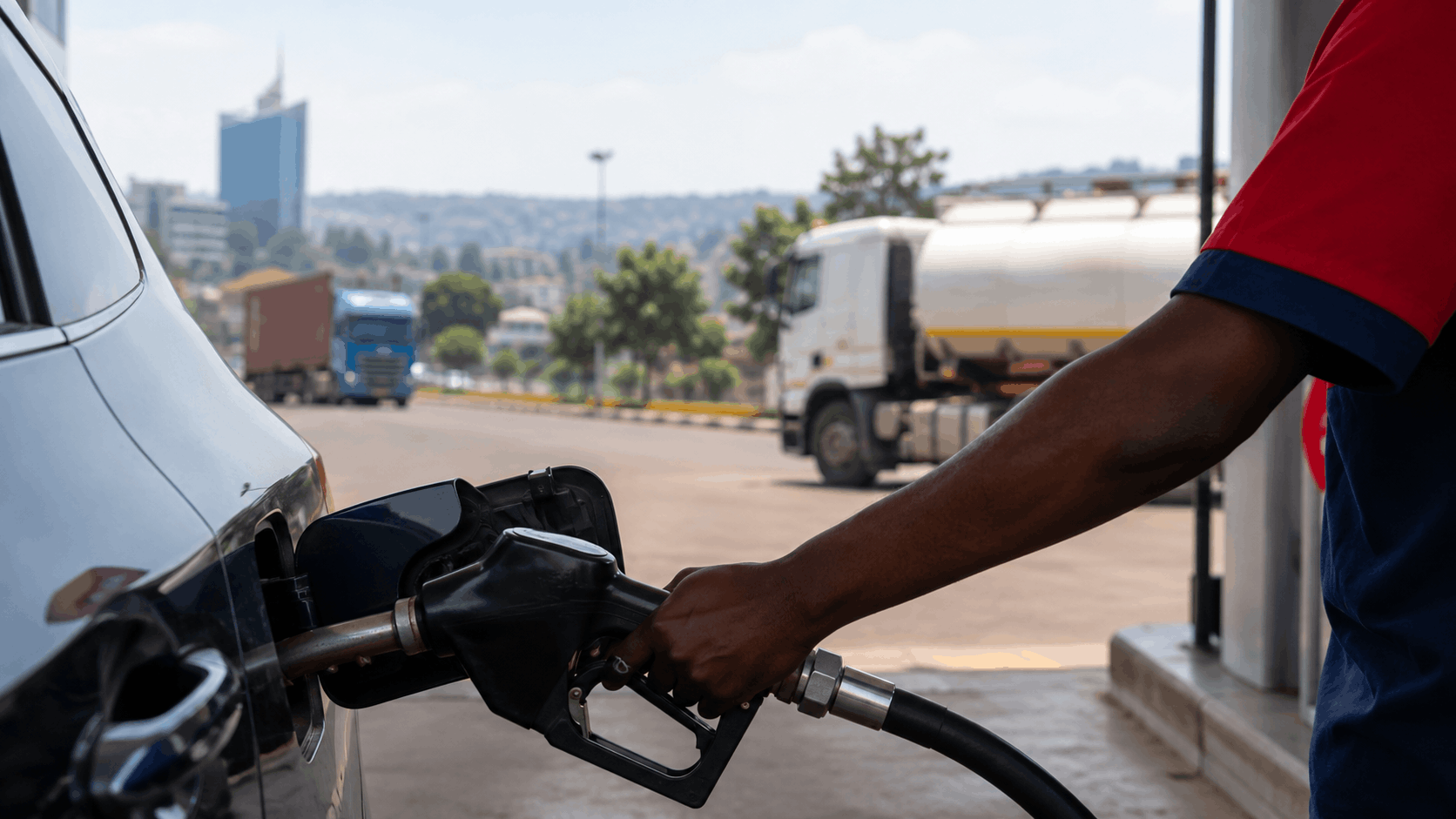
If it feels like fuel prices in Rwanda have moved more often this year than usual, that’s not just a feeling. Between April and June 2026 alone, the Rwanda Utilities Regulatory Authority (RURA) revised pump prices multiple times, with petrol climbing from around 1,989 RWF per litre in early March to 2,938 RWF per litre by June, an increase of nearly 48% in three months. Diesel followed a similar path, rising from roughly 1,948 RWF to 2,927 RWF per litre over the same period.
For a landlocked country that imports all of its fuel, these swings aren’t random. They trace back to a single reality: every litre used in Rwanda has already travelled through global shipping routes, regional ports, and long overland corridors before it reaches a pump, and each of those steps has its own cost pressures.
What’s Driving the Increases
RURA has consistently pointed to the same set of factors behind each price revision: volatility in international petroleum markets, regional supply conditions, and broader geopolitical tensions affecting global shipping. Government measures have also played a role in softening the blow — diesel, in particular, has at times been held steady even as petrol rose, specifically to protect freight, transport, and the wider economy from sharper shocks.
That distinction matters. Diesel is the fuel that keeps trucks, buses, and generators running; which means keeping it stable, even temporarily, is really about keeping the cost of moving goods (and people) from spiralling.
What It Means for Transport and Logistics
For companies that move petroleum and cargo across the region, fuel price volatility isn’t an abstract headline, it directly affects operating costs, route planning, and pricing conversations with clients. A few practical implications:
- Fuel represents a growing share of transport cost. As pump prices rise, so does the cost of every kilometre a truck travels, making route efficiency and vehicle maintenance more important than ever.
- Predictability matters as much as price. Frequent revisions make it harder for businesses to budget confidently, which is why transparent, government-regulated pricing (rather than station-by-station variation) is one advantage Rwanda’s system does offer.
- Reliable transport partners become more valuable, not less. When costs are moving, clients lean more heavily on transporters who can absorb operational complexity without compromising delivery timelines.
Staying Steady When Prices Aren’t
None of this changes the fundamentals of good transport operations: well-maintained vehicles use fuel more efficiently, experienced drivers plan routes that avoid unnecessary idling and delays, and clear communication with clients keeps expectations aligned even when the underlying cost environment shifts.
Rwanda’s fuel market will likely keep responding to global conditions for the foreseeable future. The companies that navigate it best won’t be the ones hoping prices settle, they’ll be the ones built to operate reliably regardless of where prices land.


0 Comments