

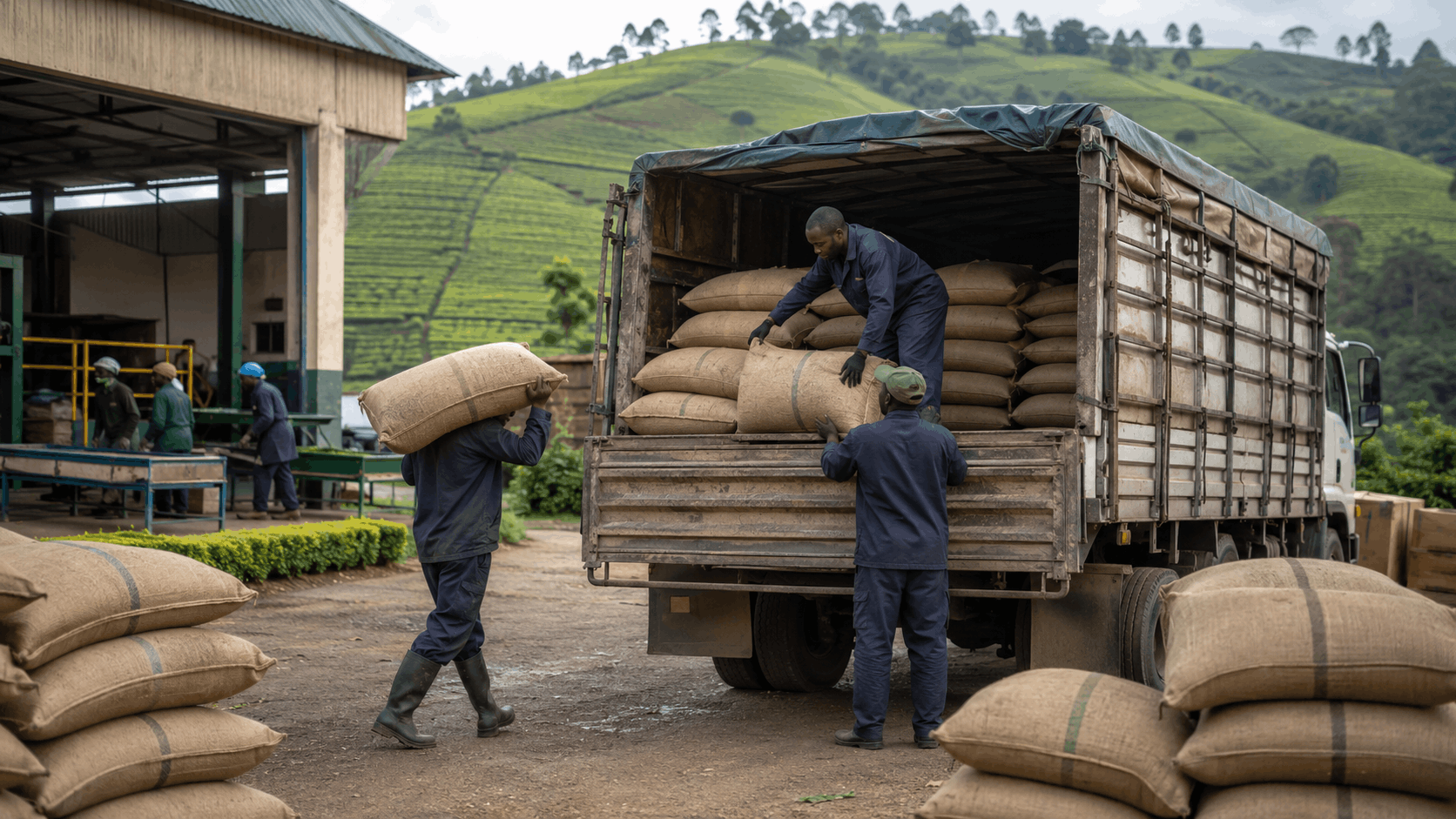
Rwandan tea has been having a remarkable run at the Mombasa Tea Auction. In recent trading, Rwandan tea has sold at an average price well above both Kenyan and Ugandan tea, a premium industry analysts attribute to consistent quality, strong factory reputations, and a supply chain buyers have learned to trust. Rwanda has also begun forging direct trade relationships with buyers in Pakistan, bypassing the traditional auction route entirely for some volumes.
None of that premium happens without one unglamorous but essential piece: getting the tea from Rwandan factories to the port, reliably and on schedule, every single week.
Why Consistency at the Auction Starts on the Road
Tea auctions run on a strict weekly rhythm : lots are graded, catalogued, and sold on set sale days. A shipment that arrives late doesn’t just miss a truck; it can miss that week’s auction entirely, sitting in storage while market prices move on without it. For a commodity where reputation is built sale after sale, that kind of disruption is costly in ways that go beyond a single delayed delivery.
This is part of why Rwanda’s tea sector has built such strong buyer trust over time. Recognisable factory marks : Kitabi, Nyabihu, Rubaya, Gatare, Gisovu among them, are backed not only by quality control at the factory, but by a transport chain that gets product to Mombasa (or increasingly, to alternative buyers) without the delays that plague less consistent origins.
The Regional Backdrop Makes This Harder, Not Easier
Rwanda’s tea sector isn’t operating in ideal conditions. Shipping disruptions linked to global conflicts have pushed up transportation costs and disrupted schedules across the region, and a new export levy introduced in Kenya has added further strain to auction logistics : even though it technically applies only to Kenyan-origin tea. Some producing countries have responded by shifting away from the traditional Mombasa auction model altogether, either toward direct trade or alternative regional auctions.
Against that backdrop, the reliability of the inland transport leg : from tea factory to port, or from factory to whichever new buyer arrangement is in place, matters more, not less. It’s one of the few parts of the chain a producer can actually control.
What Reliable Tea Logistics Requires
- Weekly discipline. Transport schedules built around auction sale dates, not general delivery windows.
- Careful handling. Made tea is sensitive to moisture, contamination, and rough handling, cargo integrity is not optional.
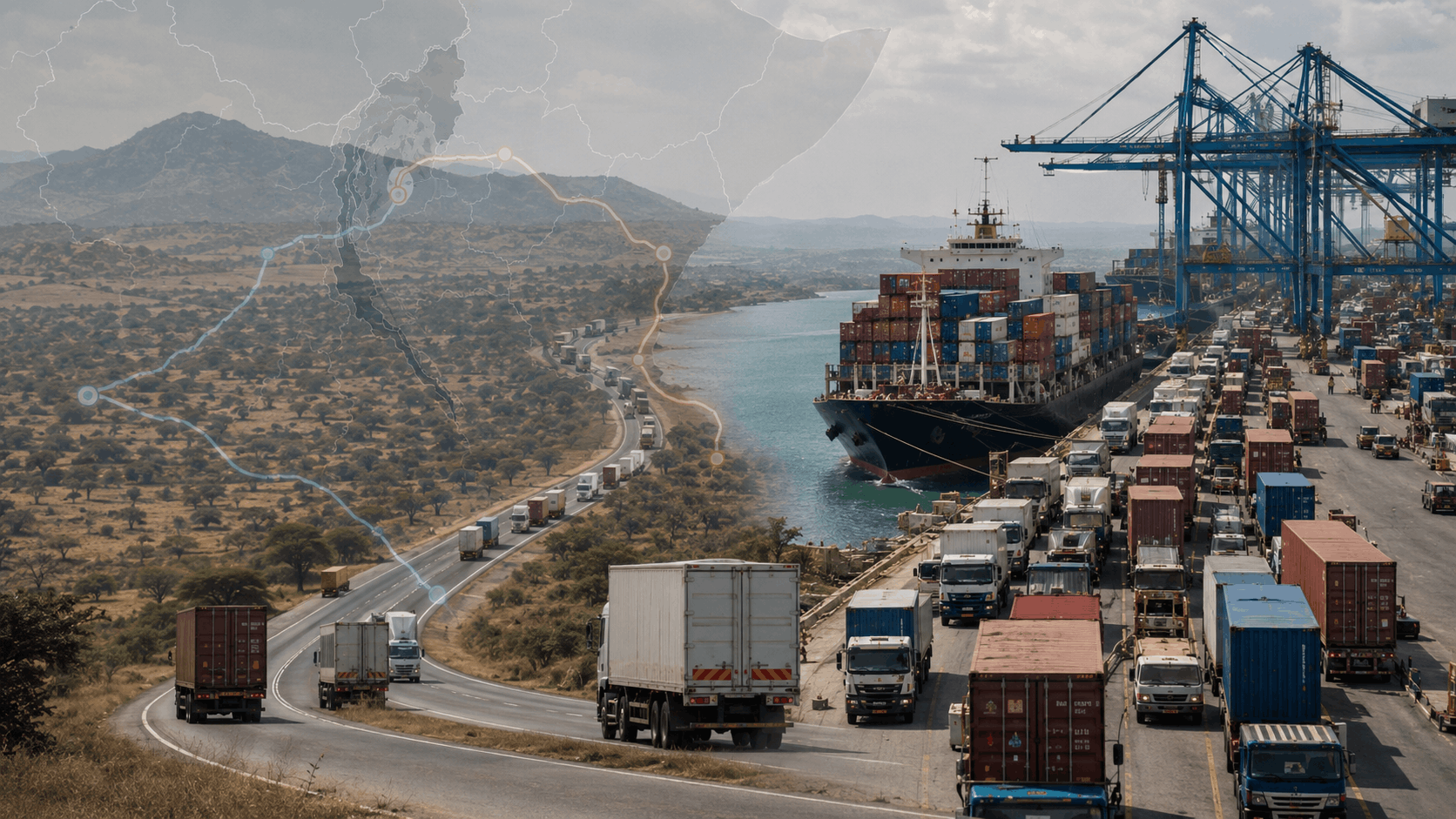
- Route flexibility. With regional shipping and auction dynamics shifting, the ability to adapt routing, including between the Northern and Central corridors, helps protect delivery timelines when conditions change.
- Clear communication. Producers need to know exactly where their consignment is in the days leading up to a sale.
The Bigger Picture
Rwanda’s tea sector has spent years building the kind of reputation that commands a premium price, sale after sale. Transport is rarely the headline in that story, but it’s part of the foundation underneath it. As the regional shipping and auction landscape keeps shifting, producers who pair strong product quality with dependable logistics partners are the ones best placed to protect the gains they’ve already made.

0 Comments