

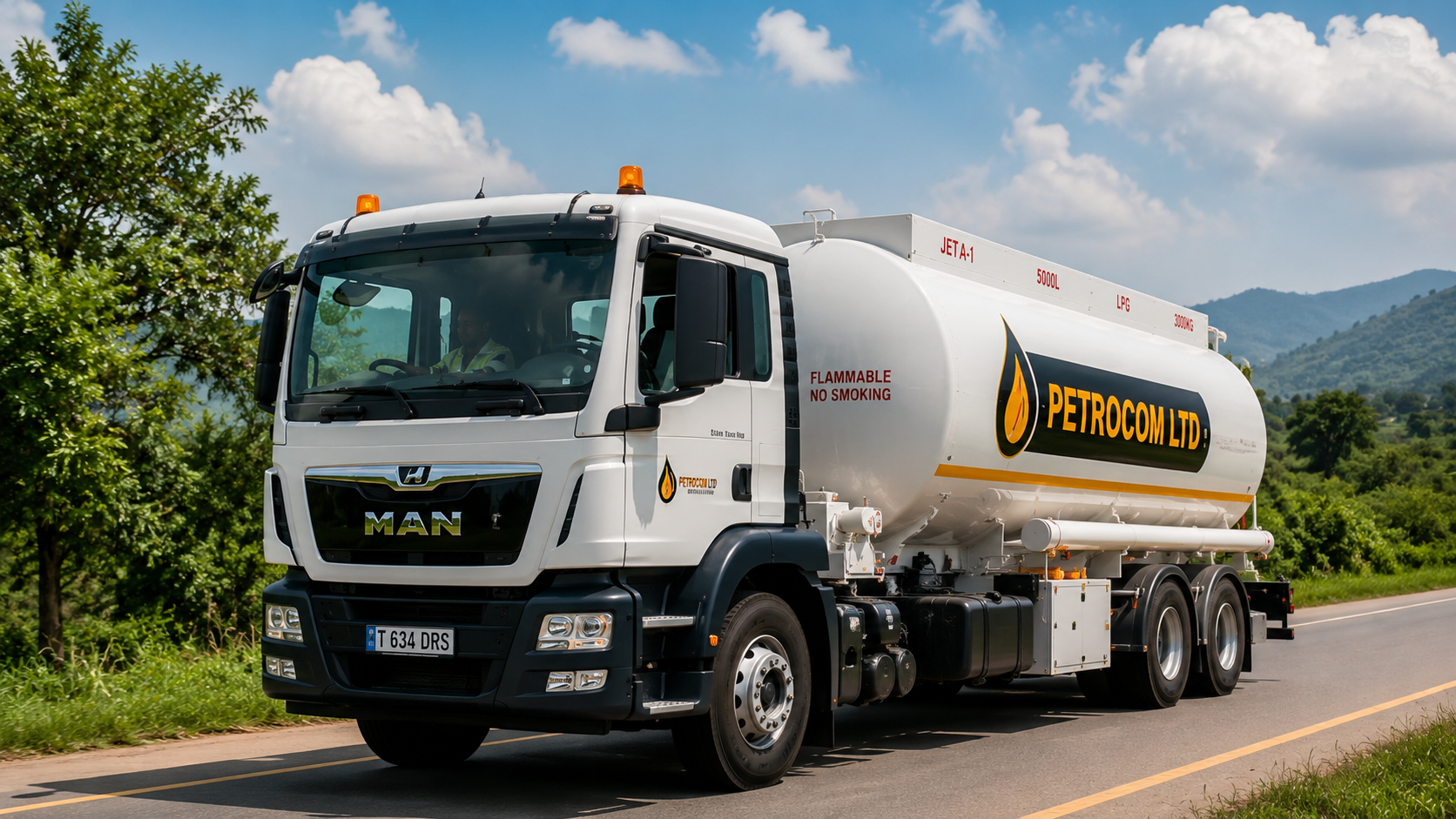
Most drivers never think about where their fuel comes from before it reaches the pump. It arrives by ship from overseas trading hubs, moves through regional ports, and then has to cross hundreds of kilometres of East African road before it’s ready to use. That last stretch, the cross-border haul, is where companies like Petrocom do their work.
The Journey Before the Journey
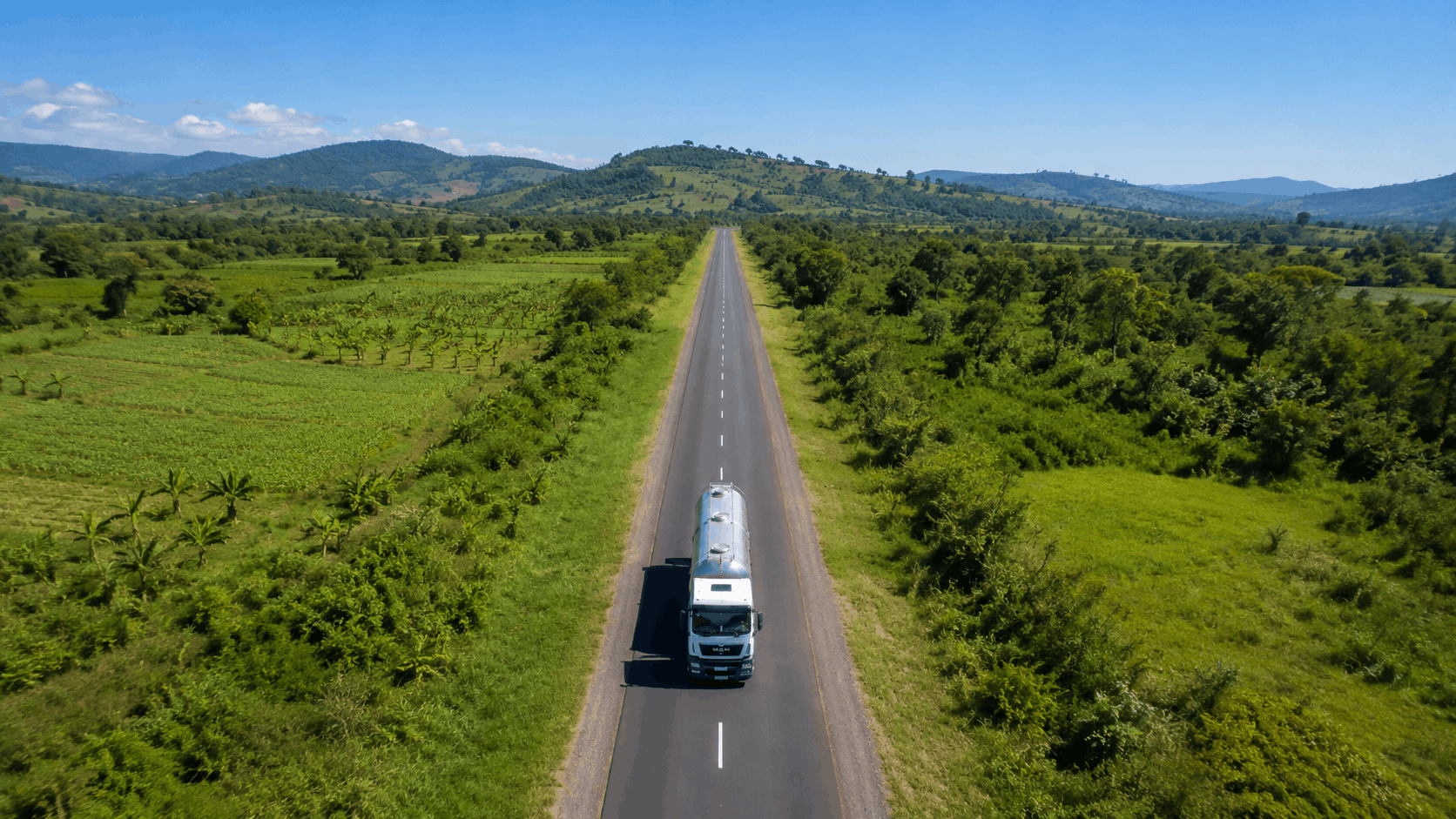
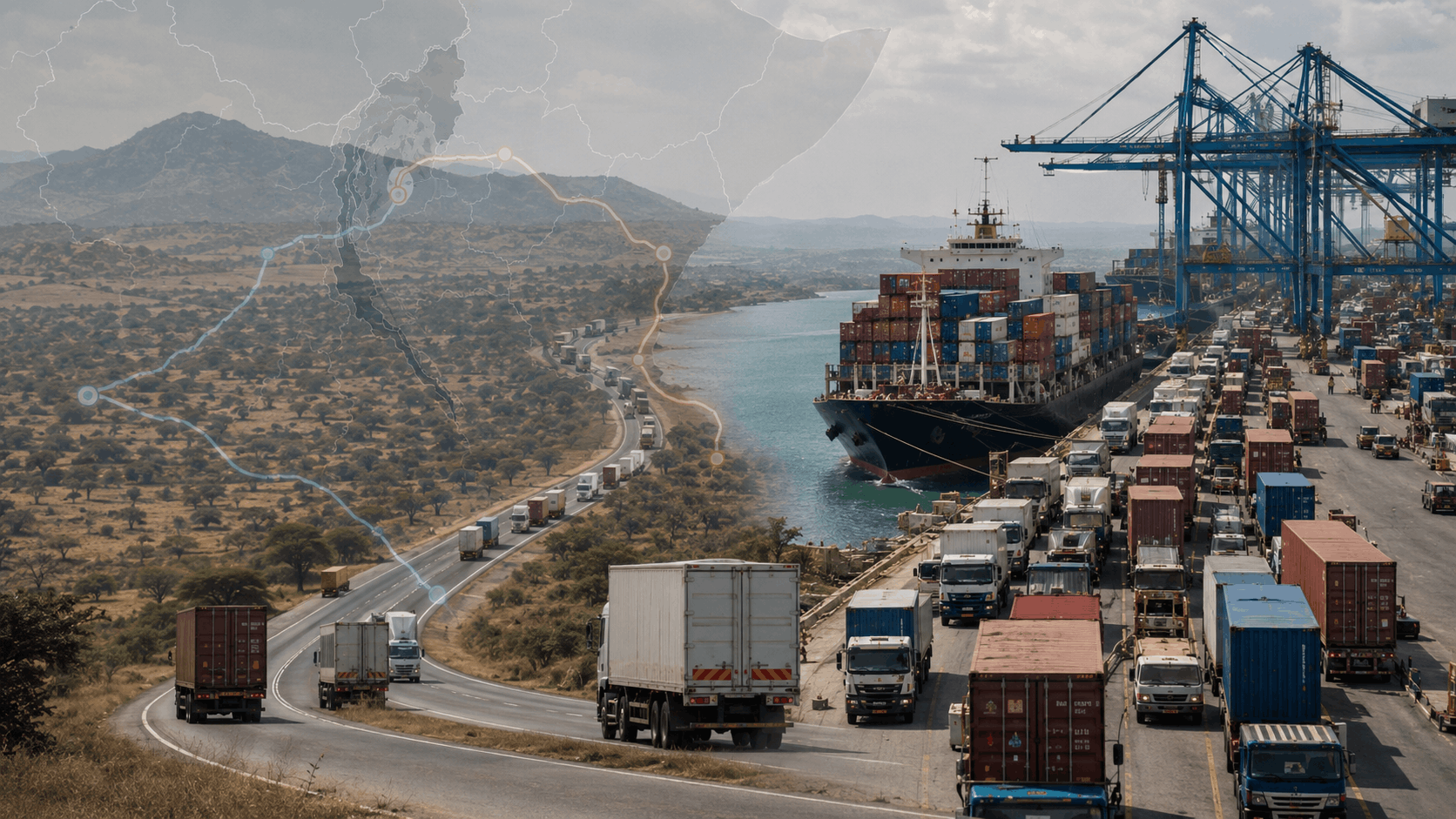
Rwanda is landlocked, which means every litre of petrol, diesel, jet fuel, or LPG used in the country has already made a long trip before a truck ever picks it up. Fuel typically enters East Africa through ports in Kenya or Tanzania, then travels inland along two main corridors:
- The Northern Corridor, through Mombasa
- The Central Corridor, through Dar es Salaam
From there, specialized tankers carry it the rest of the way to Rwanda and this is where the real logistics challenge begins. Petroleum products are not like ordinary cargo. They require trained drivers, well-maintained tankers, strict safety protocols, and careful route planning to move safely across multiple borders.
Why This Work Matters More Than It Looks
When fuel supply runs smoothly, nobody notices. When it doesn’t, the effects show up fast : at fuel stations, in transport costs, and across every business that depends on diesel to move goods. A steady, reliable transport chain is one of the quiet things holding the wider economy together.
That’s the role Petrocom plays: keeping the link between the coast and Rwanda’s pumps dependable, so that fuel availability is something businesses and households can count on rather than worry about.
What Reliable Fuel Transport Actually Requires
Moving petroleum products safely across borders isn’t just about having trucks. It depends on:
- Trained, experienced drivers who understand the specific risks of hauling inflammable cargo
- Regular vehicle maintenance, since a breakdown mid-route can delay an entire supply chain
- Compliance with safety and transport regulations across each country the cargo passes through
- Clear communication with clients, so they always know where their consignment is and when it will arrive
Petrocom has built its operations around these fundamentals for close to three decades, which is part of why long-standing clients continue to rely on the company for both petroleum and general cargo transport.
Beyond Fuel: Dry Cargo Too
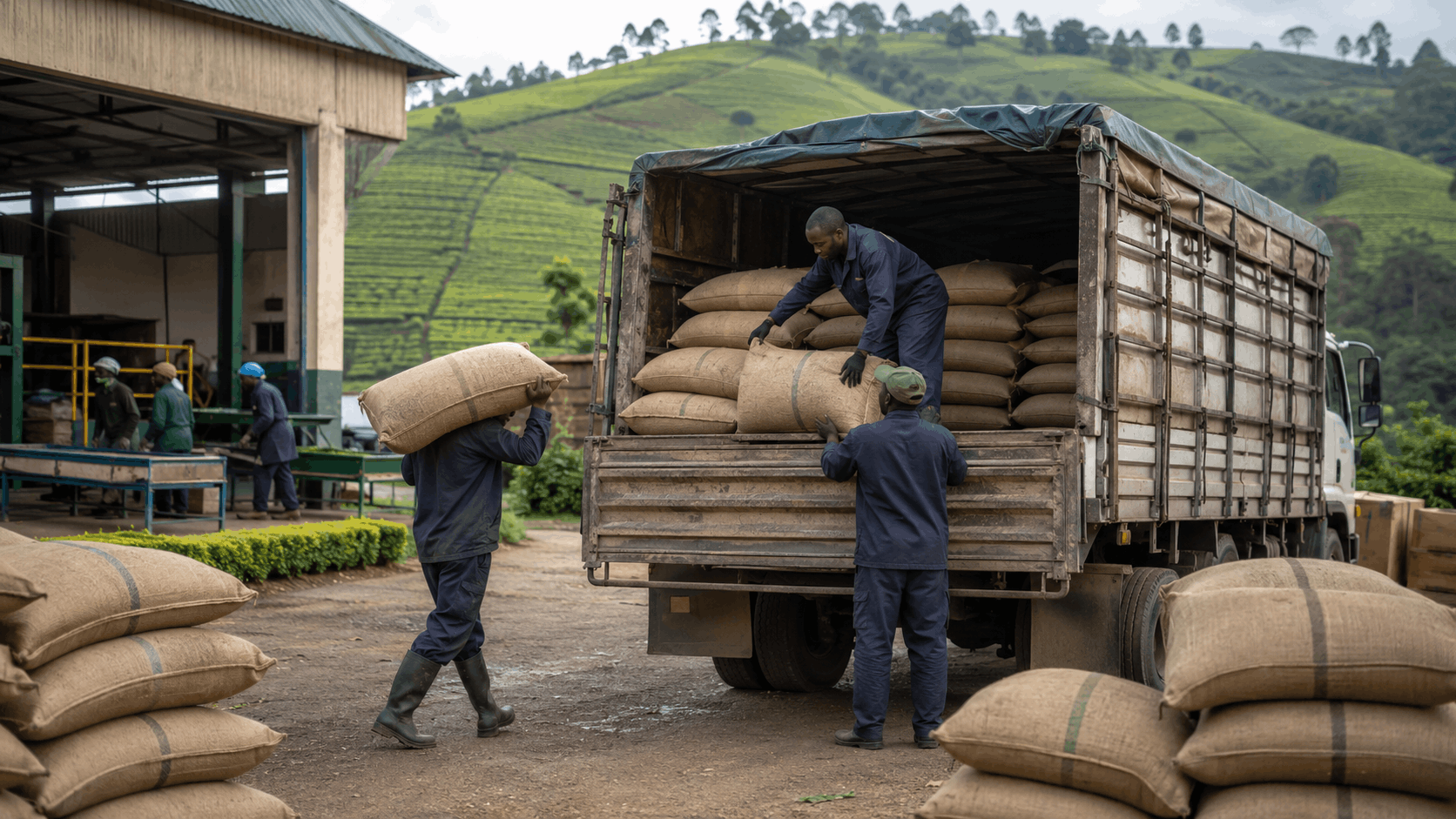
While petroleum transport is Petrocom’s core specialty, the company’s fleet also moves general and palletized cargo, from full loads to smaller part-loads, across the same regional routes. The same standards of reliability and safety apply, whatever is in the tank or on the trailer.
Looking Ahead
As demand for transport across the East African Community continues to grow, the companies that succeed will be the ones that combine experience with consistency: showing up, on time, safely, trip after trip. That’s the standard Petrocom works to maintain on every corridor it serves.
0 Comments